India eVisa Official Fact Matrix
Essential regulatory parameters at a glance| Authorization Type | Electronic Travel Authorization (Indian eVisa - ETA) |
|---|---|
| Issuing Authority | Bureau of Immigration, Ministry of Home Affairs, Government of India |
| Available Durations | 30-Day Double Entry • 1-Year Multiple Entry • 5-Year Multiple Entry |
| Permitted Stay Limit | Up to 90 days per visit (180 days for US, UK, Canada & Japan citizens) |
| Passport Validity | Minimum 6 months remaining validity from entry date + 2 blank pages |
| Permitted Ports | 31 Designated International Airports and 5 Major Seaports |
| Processing Turnaround | Standard 3 to 5 business days online prior to arrival |
Introduction: Timing Your Journey to the Subcontinent
Planning a journey to the Indian subcontinent is an exhilarating prospect, but because the country is so vast, determining the Best time to visit India requires careful consideration of regional climates and cultural calendars. Stretching from the snow-capped peaks of the Himalayas in the north to the tropical backwaters of Kerala in the south, the geographical diversity means that weather patterns vary drastically depending on where you intend to explore.
A month that offers perfect, sun-drenched days for touring the architectural marvels of Rajasthan might simultaneously bring heavy monsoon rains to the western coast or freezing temperatures to high-altitude mountain passes. Therefore, timing your trip is not just about finding the most comfortable weather; it is about aligning your travel dates with the specific regions you wish to visit and the unique cultural experiences you hope to witness.
For international travelers, this geographical complexity means that your itinerary will directly dictate your departure window. Travelers from the United States often plan their visits during the northern hemisphere's winter to escape cold weather, which perfectly coincides with the peak tourist season across most of the country.
However, if your dream is to trek in the Himalayan valleys or spot Bengal tigers in the national parks, the summer months might actually serve your specific itinerary much better. Understanding these nuanced seasonal shifts is the foundation of a successful and comfortable journey.
Once you have locked in your ideal travel window based on weather and regional highlights, the next critical step is securing your travel documentation well in advance. Navigating the digital immigration framework requires precision, and ensuring your paperwork aligns with your chosen season guarantees that your focus remains entirely on the vibrant landscapes and rich heritage awaiting you, rather than on administrative delays.
Regional Climate Breakdown: Peak, Shoulder, and Low Seasons
To truly optimize your itinerary, you must understand the three primary seasons that dictate the rhythm of life and travel across the subcontinent. The peak season, widely considered the overall Best time to visit India for first-time tourists, spans the winter and cool months from October to March.
During this window, the scorching heat of the summer has dissipated, leaving behind crisp, clear skies and highly comfortable daytime temperatures. This is the absolute ideal time to explore the Golden Triangle of Delhi, Agra, and Jaipur, as well as the desert state of Rajasthan and the sun-drenched beaches and backwaters of the southern states.
Travelers from Australia frequently target this window to escape their own summer or enjoy a warm winter getaway, making it the busiest time for international arrivals. Because demand for flights, heritage hotels, and guided tours peaks during these months, early preparation is absolutely essential.
Conversely, the summer and hot season, running from April to June, is generally considered the low or shoulder season for general tourism, but it is the prime time for specific niche adventures. While the plains and central regions experience intense, dry heat, this is the perfect window to escape to the lush, cool valleys of the Himalayas, such as Ladakh, Himachal Pradesh, and Uttarakhand, which are only accessible during these warmer months.
Furthermore, wildlife enthusiasts specifically target the peak of summer for jungle safaris in national parks like Ranthambore and Kanha. As water sources dry up, animals, including the elusive Bengal tiger, are forced to congregate around remaining waterholes, offering unparalleled viewing opportunities that are impossible during the cooler, denser months.
Finally, the monsoon season arrives between July and September, bringing life-giving rains that transform the arid landscapes into vibrant, emerald-green paradises. While heavy downpours can disrupt travel logistics in the north and west, this is a magical time to visit the western coast and the state of Kerala, where the rains are deeply intertwined with local culture and Ayurvedic wellness traditions.
Travelers from Canada seeking a quieter, more introspective wellness retreat often find the monsoon season offers a deeply atmospheric and uncrowded experience, provided they pack appropriately and remain flexible with their daily outdoor excursions.
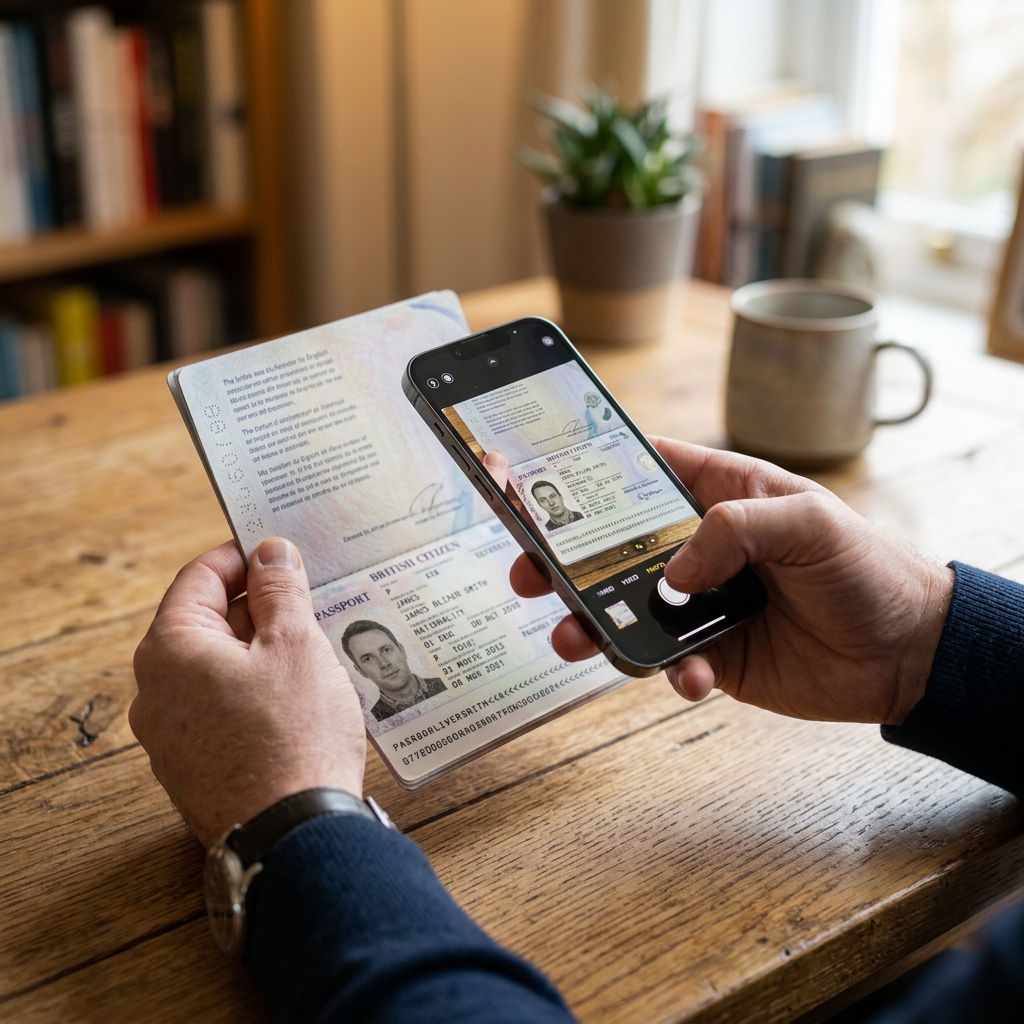
Verify that your passport validity extends at least six months beyond your proposed entry date into India. Travelers without sufficient validity or with fewer than two blank pages risk boarding denial by airlines before departure.
Major Festivals and Cultural Calendars
Beyond the weather, the cultural calendar is a massive driving force in determining the Best time to visit India. The country is famous for its vibrant, deeply spiritual, and visually spectacular festivals, which are dictated by the lunar calendar and therefore shift slightly on the Gregorian calendar each year.
Aligning your trip with a major festival can elevate a standard vacation into a profound, life-changing cultural immersion. The two most globally recognized celebrations are Diwali, the festival of lights, which typically falls in October or November, and Holi, the festival of colors, which usually takes place in March.
Experiencing the illuminated streets of Jaipur during Diwali or joining the joyous, color-drenched celebrations of Holi in the northern plains offers an unparalleled window into the heart of the local culture. However, traveling during these peak festival windows requires meticulous, months-in-advance planning.
Domestic travel surges dramatically as millions of locals travel to their hometowns to celebrate with family, meaning train tickets, domestic flights, and premium accommodations sell out incredibly fast. Furthermore, the sheer volume of people on the streets and at transit hubs necessitates a heightened awareness of your surroundings and your belongings.
To navigate these bustling, high-energy environments safely and confidently, we highly recommend reviewing our comprehensive guide on first-time travel safety tips for foreign tourists. Understanding local customs, safe transportation logistics, and basic health precautions ensures that you can fully embrace the chaotic beauty of the festivals without unnecessary stress.
In addition to the major national holidays, almost every region and state has its own unique harvest festivals, temple fairs, and religious processions. The Pushkar Camel Fair in Rajasthan, the Onam harvest festival in Kerala, and the Hemis Festival in Ladakh are just a few examples of hyper-local events that draw international crowds.
Travelers from Germany with a deep interest in photography and cultural anthropology often build their entire itineraries around these specific regional events. Because these festivals are so highly sought after, securing your travel documentation and lodging early is not just a recommendation; it is an absolute necessity to ensure you have a place to stay and the legal clearance to enter the country during these peak cultural windows.
Aligning Your eVisa Validity with Your Itinerary
Once you have selected your ideal season and mapped out your festival or regional itinerary, you must ensure that your travel documentation perfectly aligns with your travel dates. The digital immigration framework offers three primary tourist configurations, and choosing the right one is crucial for a seamless entry.
The 30-day option is highly popular for focused, single-destination trips during the peak winter season. It is vital to remember that the validity window for this specific short-term permit begins on the exact day of your first arrival, not the day it is approved.
This provides excellent flexibility for travelers whose exact flight dates might shift slightly due to winter weather or holiday scheduling. However, if your itinerary involves a complex, multi-region tour spanning several weeks, or if you plan to visit during the monsoon season and return later in the year for a winter festival, the longer-duration options provide vastly superior flexibility.
The one-year and five-year multiple-entry authorizations are incredibly valuable for frequent visitors. Unlike the short-term option, the validity clock for these multi-year permits begins on the exact day they are issued by the authorities.
Therefore, you must time your application carefully so that you do not waste months of validity before you even board your flight. Furthermore, you must be acutely aware of the continuous stay limits attached to these permits.
While the documents are valid for a year or five years, most nationalities are restricted to a maximum continuous stay of 90 consecutive days per visit. Travelers from the United Kingdom, along with citizens of the United States, Canada, and Japan, benefit from a special bilateral agreement that extends this continuous stay limit to 180 consecutive days per visit.
This extended allowance is a massive advantage for those planning deep-dive cultural immersions, long-term Ayurvedic wellness retreats, or extensive volunteer work during the cooler months. Understanding the precise distinction between the overall validity of your document and your permitted continuous stay limit ensures that you do not accidentally overstep your legal boundaries.
By mapping your physical itinerary against these specific temporal rules, you guarantee that your paperwork supports your adventure rather than restricting it, allowing you to explore the diverse landscapes with total peace of mind.
Seamless Travel Planning with Get India E-Visa
Navigating the complexities of seasonal travel peaks, festival logistics, and strict digital immigration requirements can easily become overwhelming, which is why utilizing professional guidance provides immense peace of mind. Get India E-Visa is an independent assistance service.
We are not affiliated with the Government of India, and we do not issue travel permits or guarantee approvals. All final decisions rest solely with the immigration authorities, and all applications are strictly subject to approval by Indian authorities.
Our primary role is to help international travelers prepare accurate, compliant, and perfectly formatted digital applications before they are submitted to the official portal, ensuring your paperwork is perfectly timed for your chosen travel season. When you utilize our platform, you will notice a strict, transparent separation between the mandatory government fees and our independent service fees.
The government fees are established and collected directly by the authorities to cover administrative processing and security checks, while our service fee covers comprehensive, human-led support. This includes verifying spelling and birth details against passport photos, checking photo dimension compliance, and advising on optimal submission times so you don't lose validity before departing.
We employ a strict privacy-first approach, collecting only basic itinerary details initially before requesting sensitive documents through highly secure, encrypted channels. By leveraging our meticulous review process and strategic submission guidance, you significantly reduce the risk of minor typographical errors or poorly timed applications that lead to processing delays or wasted validity.
Our dedicated team remains available to provide transparent, empathetic support, allowing you to bypass the anxiety of bureaucratic portals. Whether you are chasing the winter sun in Rajasthan, tracking tigers in the summer heat, or immersing yourself in the vibrant chaos of a major cultural festival, we ensure your administrative foundation is rock solid, leaving you entirely free to focus on the magic of your upcoming journey.
Frequently Asked Questions
What is the overall best month to visit India?
Do I need a different visa if I travel during the monsoon season?
How far in advance should I apply for my travel authorization for a major festival?
Can I stay for six months if I visit during the winter peak season?
Are government fees and independent service fees the same thing?
Important Disclaimer: Get India E-Visa is an independent assistance service and is not affiliated with the Government of India. We do not issue visas or guarantee approvals. All visa decisions are made solely by Indian immigration authorities. Government fees are set by Indian authorities and are separate from our service fee.