Iconic Heritage and Historical Wonders: The Classic Golden Triangle
For those embarking on their first journey to India, starting with the iconic landmarks of the Golden Triangle provides a rich introduction to the nation's architectural and imperial history. This tourist circuit links the capital city of Delhi, the Mughal stronghold of Agra, and the royal Rajasthani city of Jaipur.
In Delhi, you will navigate the contrasts between the narrow, spice-scented alleys of Old Delhi and the wide, tree-lined avenues of New Delhi, taking in historical monuments like the Red Fort and Qutub Minar. A short journey south brings you to Agra, home to the Taj Mahal, a UNESCO World Heritage site and a breathtaking monument to love that exceeds all expectations.
Completing the triangle is Jaipur, the Pink City, where you can explore the majestic Amber Fort and the intricate facade of the Hawa Mahal. If you are arriving from the United States or the United Kingdom, this route is highly accessible due to well-established rail connections, highway corridors, and domestic flight routes.
It is recommended to spend at least five to seven days exploring these three cities to fully appreciate their distinct historical contexts. While navigating these busy metropolitan areas, taking a guided heritage walk or hiring a licensed local guide can greatly enhance your understanding of the history behind the stone walls.
However, the sheer energy of these destinations can be intense for first-time visitors, so scheduling quiet afternoons at your hotel or inside peaceful garden tombs is key to maintaining your travel stamina.
Coastal Escapes and Tropical Serenity: Beaches and Houseboats
If your ideal holiday involves natural landscapes, wellness retreats, and coastal tranquility, South and West India offer beautiful escapes from the bustling northern cities. The state of Goa, situated along the Arabian Sea, is famous for its long sandy beaches, Portuguese-influenced architecture, and laid-back coastal villages. You can choose between the energetic beaches of the north, popular for water sports and markets, or the quiet, palm-fringed coves of the south, perfect for relaxation.
Further south lies Kerala, often referred to as 'God's Own Country.' Here, the primary attraction is the tranquil network of backwaters, where you can charter a traditional wooden houseboat to glide past rural villages, coconut groves, and paddy fields. Kerala is also a global hub for Ayurvedic medicine and wellness tourism, making it an excellent destination for travelers seeking physical and mental rejuvenation.
Visitors from Australia or Singapore frequently choose these southern and western coastal regions to experience a slower, nature-focused travel pace. The local culinary style in these regions relies heavily on fresh seafood, coconut milk, and aromatic curry leaves, providing a distinct gastronomic experience that contrasts with the rich, wheat-based dishes of North India. To make the most of your coastal trip, ensure you plan around the monsoons, as heavy rains from June through September can restrict beach activities and boat operations.
Spiritual Sanctuaries and Natural Marvels: From Rishikesh to Ladakh
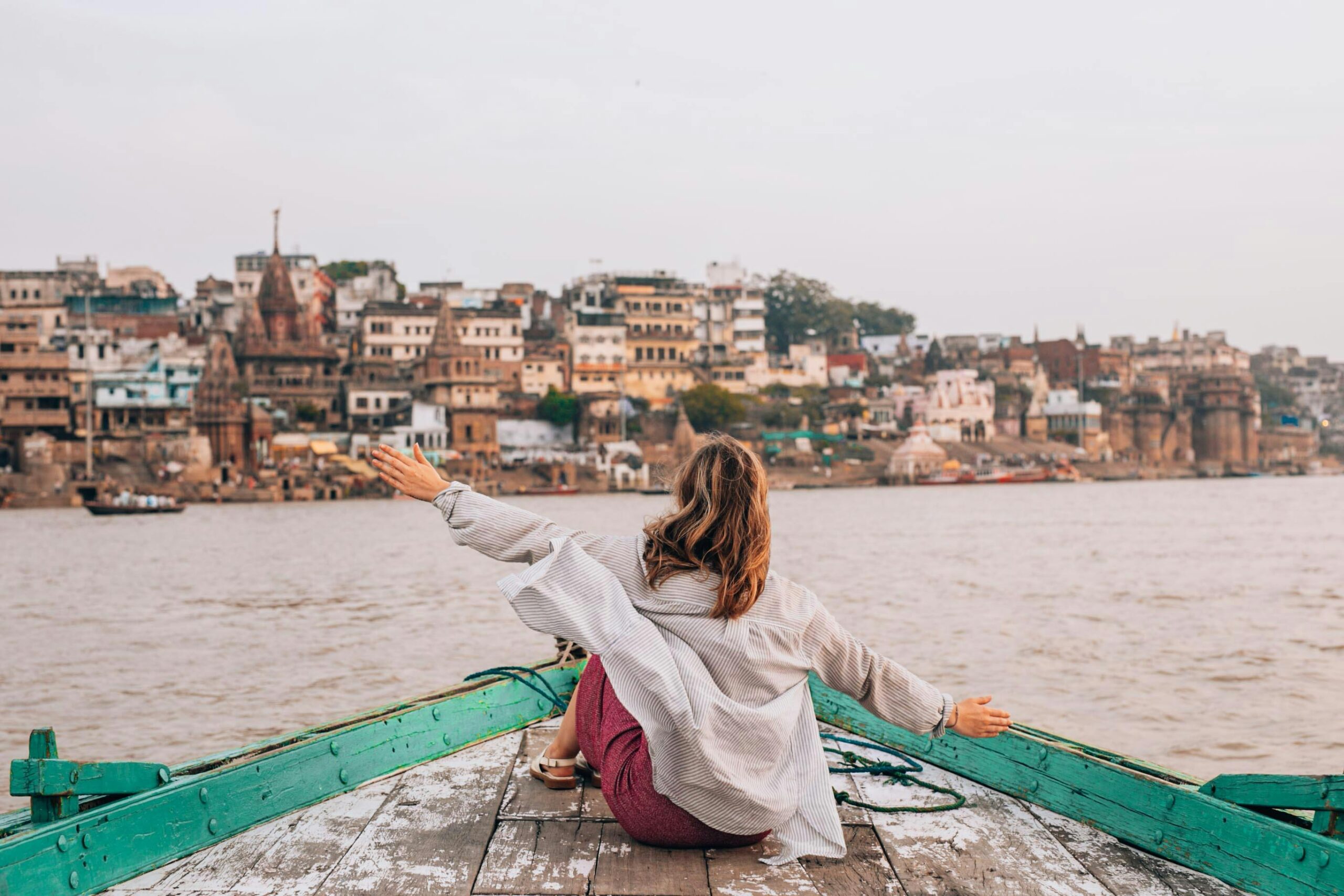
For travelers drawn to spiritual exploration and dramatic natural geography, India's northern mountains and river valleys provide unforgettable destinations. In the foothills of the Himalayas, where the sacred Ganges River flows out of the mountains, lies Rishikesh, the world capital of yoga. This spiritual town attracts yoga practitioners, meditation students, and wellness seekers who stay in local ashrams to study traditional philosophies. Beyond its spiritual reputation, Rishikesh is a major hub for adventure sports, offering white-water rafting, hiking, and camping along the riverbanks.
If you travel further north into the high-altitude desert of Ladakh, the landscape shifts to dramatic, barren mountains, deep valleys, and ancient Tibetan Buddhist monasteries perched on rocky cliffs. Ladakh offers a unique cultural experience and spectacular high-altitude lakes like Pangong Tso, though the region is only accessible by road during the summer months due to winter snow blockages.
Travelers from Germany and other European countries often visit these mountain areas for trekking and nature photography. When planning a trip to high-altitude zones like Ladakh, you must allocate several days at the beginning of your stay to acclimatize to the thin mountain air to prevent altitude sickness. Additionally, these regions require special inner line permits for certain border zones, which you can easily arrange through local registered travel agencies upon arrival.
Planning Your Route: Customizing Your Itinerary to Avoid Travel Burnout
A common mistake made by international visitors is attempting to see too much of the subcontinent in a single visit. Because distances are vast and transit times can be long, packing too many cities into a short timeframe often leads to physical exhaustion and travel fatigue. Instead, we advise selecting one or two primary regions and spending three to four days in each anchor destination.
For example, you can combine the historical sights of Delhi and Agra with a peaceful week on the beaches of Goa, or couple a tour of Rajasthan's palaces with a houseboat cruise in Kerala. For detailed advice on how to structure your route across different zones, read our comprehensive guide on regional travel destinations in India.
If you are flying in from Canada, factoring in the time difference and dedicating your first two days to gentle acclimatization and local neighborhood walks will help you adjust to the local pace. Utilizing domestic flights is the most efficient way to travel between distant regions, while booking first-class train compartments offers a highly scenic, cultural, and traditional way to experience the changing landscapes between neighboring states.
Comparing eVisa Duration Options: 30-Day, 1-Year, and 5-Year Visas
Before booking your flights and hotels to explore these travel spots, you must select and obtain the correct travel visa. The online tourist eVisa system offers three duration options: 30 days, 1 year, and 5 years.
The 30-day visa allows double entry and is ideal for a single, focused vacation. The 1-year and 5-year options are multiple-entry visas that allow you to stay in India for up to 90 days per visit for most nationalities, making them perfect for travelers planning multiple visits or a longer regional tour.
The standard government fees for these options are set by Indian authorities at twenty-four dollars for 30 days, forty dollars for 1 year, and two hundred dollars for 5 years. However, fee exceptions apply to certain nationalities; for instance, travelers from the United States pay one hundred and sixty dollars for a 5-year visa, while citizens of the United Kingdom pay a significantly higher fee of four hundred and eighty-four dollars.
Get India E-Visa is an independent application assistance service, and we are not affiliated with the Government of India or the official portal. Our service fees are billed separately from the government charges, covering our professional application review, detail verification, and customer support.
We have over twenty years of experience in the visa assistance sector, and we personally review every application to ensure compliance with official criteria before requesting sensitive documentation through our secure support channels, though final approval decisions remain entirely under the authority of Indian immigration officers.
Culinary Journeys: Discovering India Through Its Rich Food Landscapes
No trip to India is complete without exploring its diverse culinary heritage, which changes dramatically from one state to the next. In the north, the cuisine is characterized by rich, creamy gravies, tandoori-baked breads, and aromatic spices like cumin and cardamom, reflecting historical Persian and Mughal influences. As you travel south, the ingredients shift toward rice, coconut, tamarind, and fresh curry leaves, producing lighter, tangier dishes like dosas, idlis, and coastal seafood curries. West India features the unique vegetarian thalis of Gujarat and the fiery, spice-forward dishes of Maharashtra.
Experiencing this culinary diversity is one of the main highlights for international travelers. When dining, we recommend drinking bottled water, eating at busy local restaurants with high turnover, and trying street food only from vendors recommended by trusted local guides.
Balancing spicy meals with cooling yogurt dishes like raita and drinking sweet coconut water will help keep your stomach comfortable throughout your journey.
Frequently Asked Questions
What are the top must-visit travel spots in India for first-time visitors?
Which tourist eVisa duration is best for exploring multiple travel spots in India?
Are the government fees for the India tourist eVisa refundable if my travel plans change?
How far in advance should I apply for my travel permit to visit these destinations?
Can I travel to remote mountain regions like Ladakh on a standard tourist eVisa?
Important Disclaimer: Get India E-Visa is an independent assistance service and is not affiliated with the Government of India. We do not issue visas or guarantee approvals. All visa decisions are made solely by Indian immigration authorities. Government fees are set by Indian authorities and are separate from our service fee.