Introduction: The Evolution of Indian Visa Systems
For decades, international travel to India required a meticulous and often time-consuming process involving physical paperwork, embassy appointments, and the surrender of your passport. The traditional paper visa system was the only gateway for global explorers, business professionals, and medical patients seeking entry into the subcontinent.
While effective, this analog method frequently created logistical bottlenecks, especially for spontaneous travelers or those living far from diplomatic missions. However, the digital revolution fundamentally transformed global mobility, and the introduction of the electronic travel authorization system completely modernized how millions of international visitors plan their journeys.
Today, the digital pathway stands as the premier choice for the vast majority of global tourists, offering unprecedented convenience, speed, and accessibility. Travelers from major global hubs, including the United States and the United Kingdom, now routinely bypass physical consulates entirely, securing their entry permissions from the comfort of their homes or offices.
This digital evolution has democratized travel, allowing visitors to focus on crafting their itineraries rather than navigating bureaucratic hurdles. Despite this massive shift toward digital processing, the traditional paper visa remains a vital and sometimes mandatory option for specific travel scenarios, certain nationalities, and specialized long-term stays.
Understanding the fundamental differences between these two distinct immigration pathways is absolutely critical for ensuring a smooth, legally compliant, and stress-free journey. Whether you are planning a brief cultural holiday, an extended backpacking expedition across multiple states, or a complex overland route through neighboring nations, knowing which system aligns with your specific needs will save you time, money, and potential administrative headaches.
In this comprehensive guide, we will break down the exact distinctions between the digital and traditional consular routes, empowering you to make an informed decision for your upcoming adventure.
Key Differences: Application Process and Processing Speed
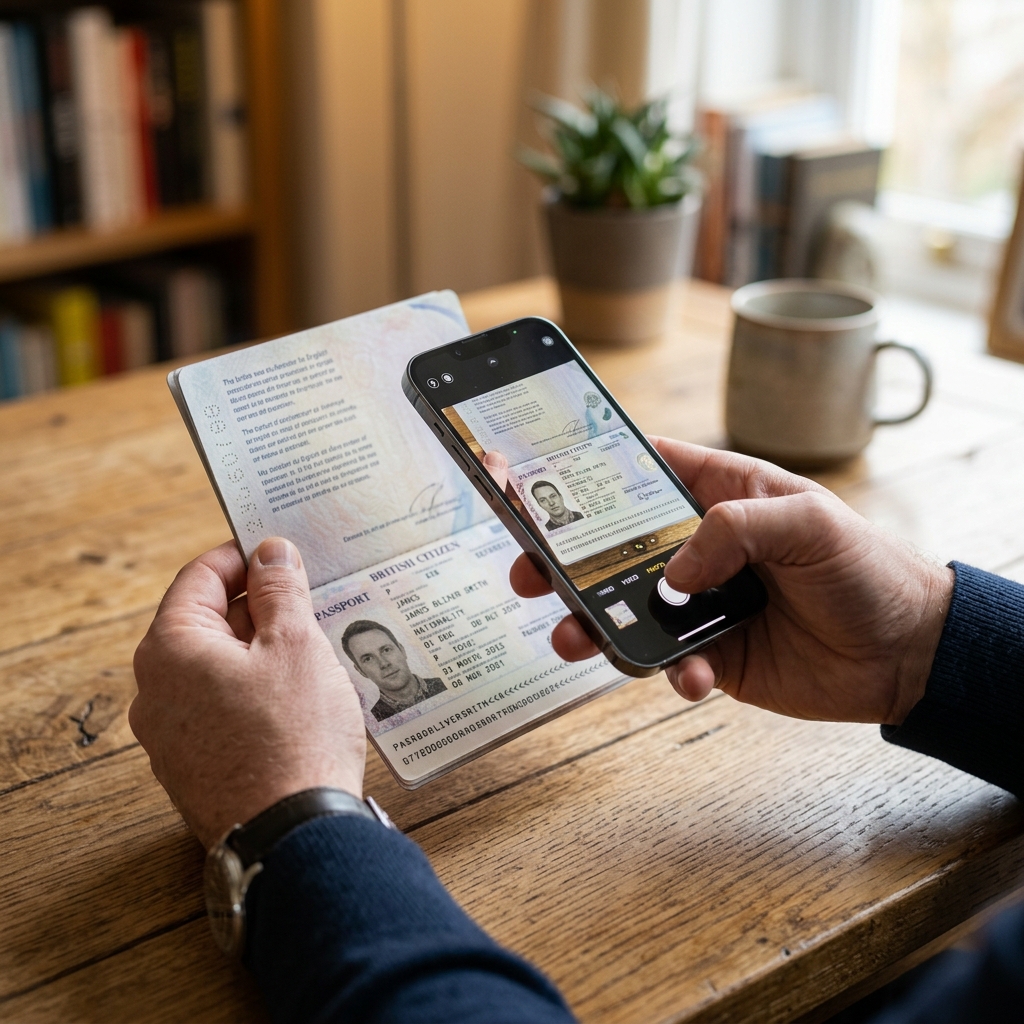
The most immediate and striking difference between the two immigration pathways lies in the application mechanics and the overall processing timeline. The digital route is entirely paperless and remarkably streamlined. Applicants simply complete an online form, upload a digital scan of their passport bio page, and submit a compliant digital photograph.
There is no need to mail away your physical passport, attend in-person interviews, or provide physical bank statements. Once submitted to the official portal, the standard processing time is incredibly fast, typically taking just three to five business days.
This rapid turnaround is a game-changer for modern travelers who need to finalize their plans quickly. Professionals from Germany and Canada frequently rely on this speed to accommodate sudden business meetings or last-minute family emergencies.
Conversely, the traditional consular route is inherently more manual and time-intensive. It requires applicants to fill out lengthy physical forms, gather extensive supporting documentation (such as physical invitation letters, bank statements, and proof of accommodation), and either mail their actual passport to a processing agency or visit an embassy in person.
Because your physical passport is in the custody of the processing agency during this time, you are unable to travel internationally to any other country. The processing timeline for a traditional paper document is significantly longer, often taking anywhere from two to six weeks, depending on the specific embassy's workload and the complexity of your application.
Furthermore, any minor errors on the physical forms can result in your entire package being mailed back to you, forcing you to restart the lengthy process from scratch. The digital system's automated checks and rapid human review processes drastically reduce these friction points, making it the overwhelmingly preferred choice for anyone who values efficiency and convenience.
Duration, Validity, and Entry Port Limitations
While the digital route offers unmatched convenience, it does come with specific geographical and temporal limitations that the traditional route does not possess. The electronic authorization is strictly valid for entry through designated international airports and specific seaports.
If your travel itinerary involves arriving by land from a neighboring country, such as crossing the border from Nepal or Bhutan, the digital system cannot be used; you must possess a traditional paper document. For a complete and detailed list of all approved maritime and aerial entry points, we highly recommend reviewing our comprehensive guide on designated ports of entry for the electronic travel authorization.
Additionally, the digital system enforces strict continuous stay limits. For most nationalities, the maximum continuous stay permitted on a standard tourist authorization is 90 consecutive days per visit, though citizens of select nations like the US and UK may be granted up to 180 days.
The traditional paper visa, however, offers much greater flexibility regarding both entry points and duration. It permits entry through any authorized immigration check post, including all land borders, which is essential for overland backpackers and those undertaking complex trans-continental road trips.
Furthermore, traditional documents can be issued for much longer continuous stays, sometimes allowing up to 180 days or even longer for specific academic, research, or employment categories. The validity periods also differ.
The digital tourist route offers 30-day, 1-year, and 5-year configurations, all of which are subject to the aforementioned continuous stay limits per visit. Traditional paper documents can be customized for exact travel dates or issued for multi-year periods with different stipulations based on the discretion of the consular officer.
Travelers from Australia planning extensive, multi-month immersive journeys or those intending to volunteer in remote rural areas often find that the traditional route better accommodates their specialized, long-term itineraries and overland travel requirements.
Cost Comparison: Government Fees and Support Services
Budgeting for international travel requires a clear understanding of all associated administrative costs, and the financial structures of these two pathways differ significantly. The government fees for the digital route are standardized and generally range from 10 dollars to around 80 dollars, depending on your nationality, the season, and the selected duration (30-day, 1-year, or 5-year).
These mandatory fees are established and collected directly by the immigration authorities to cover the digital processing and security background checks. It is important to remember that these government fees are strictly non-refundable, regardless of the final application outcome.
When utilizing an independent assistance service like Get India E-Visa, you will also encounter a separate service fee. We believe in complete transparency, which is why our platform clearly separates the mandatory government charges from our independent service fees.
Our service fee covers comprehensive support, including manual document verification, digital photo formatting, and continuous application status monitoring. The traditional consular route involves a completely different cost structure.
In addition to the base government fee, which can sometimes be higher or require reciprocal fees based on bilateral agreements, applicants often incur significant ancillary costs. These include courier fees for securely mailing your physical passport, agency processing fees if you use a third-party expeditor, and the cost of physical passport photos and document photocopying.
Furthermore, the hidden cost of time spent traveling to and from an embassy, or the inability to travel internationally while your passport is surrendered, can add substantial indirect expenses to your trip preparation. Get India E-Visa is an independent assistance service.
We are not affiliated with the Government of India, and we do not issue visas or guarantee approvals. Our primary role is to help international travelers prepare accurate, compliant digital applications. By leveraging our expert review process for the digital route, you avoid the expensive courier fees and ancillary costs associated with the traditional consular process, ultimately protecting your travel budget and ensuring a highly efficient application experience.
How to Decide: Which Visa is Best for Your Trip?
Choosing the correct immigration pathway ultimately depends on a careful evaluation of your specific travel itinerary, your nationality, and your personal timeline. For the vast majority of modern travelers, the digital route is the undisputed best choice.
If you are flying into a major international hub like Delhi, Mumbai, or Bengaluru, arriving via a cruise ship at a designated seaport, planning a standard holiday of less than 90 consecutive days, and need your authorization processed quickly, the electronic system is perfectly designed for your needs. It eliminates the stress of surrendering your physical passport and allows you to finalize your travel plans just days before departure.
This is the ideal pathway for family vacations, short-term business meetings, medical consultations, and casual cultural tourism. However, the traditional paper route remains an absolute necessity for specific travel scenarios.
You must apply through an embassy or consulate if you hold a passport from a country that is not currently eligible for the electronic system. You also require a traditional document if your itinerary includes entering the country via a land border, if you are planning to stay continuously for more than the permitted 90 or 180 days without exiting, or if you are traveling for specialized purposes such as long-term academic research, formal employment, or journalism.
Additionally, if your digital application is unexpectedly rejected due to a complex background flag, the traditional consular route provides an avenue for in-person appeals and the submission of extensive physical evidence to support your case. By carefully analyzing your entry points, desired duration of continuous stay, and the urgency of your departure, you can confidently select the pathway that guarantees a smooth, legally compliant, and entirely stress-free entry into one of the world's most magnificent and diverse travel destinations.
Frequently Asked Questions
Can I convert my digital authorization to a traditional paper document after arriving?
Is the digital authorization valid for crossing land borders?
How long does the traditional consular process take compared to the digital route?
Do I need to mail my physical passport for the digital application?
Are the government fees and service fees the same thing?
What happens if my digital application is rejected?
Important Disclaimer: Get India E-Visa is an independent assistance service and is not affiliated with the Government of India. We do not issue visas or guarantee approvals. All visa decisions are made solely by Indian immigration authorities. Government fees are set by Indian authorities and are separate from our service fee.