
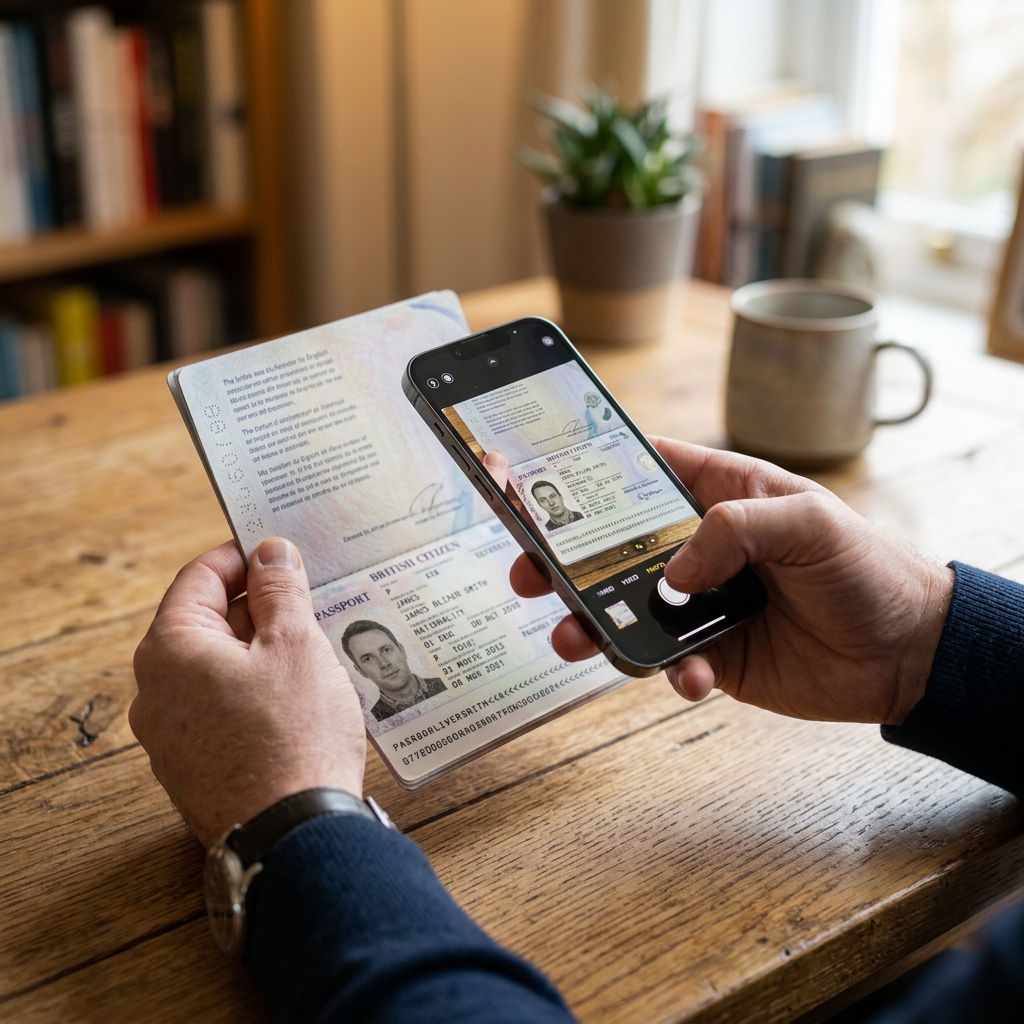
India eVisa Official Fact Matrix
Essential regulatory parameters at a glance| Authorization Type | Electronic Travel Authorization (Indian eVisa - ETA) |
|---|---|
| Issuing Authority | Bureau of Immigration, Ministry of Home Affairs, Government of India |
| Available Durations | 30-Day Double Entry • 1-Year Multiple Entry • 5-Year Multiple Entry |
| Permitted Stay Limit | Up to 90 days per visit (180 days for US, UK, Canada & Japan citizens) |
| Passport Validity | Minimum 6 months remaining validity from entry date + 2 blank pages |
| Permitted Ports | 31 Designated International Airports and 5 Major Seaports |
| Processing Turnaround | Standard 3 to 5 business days online prior to arrival |
Introduction: Protecting Your Subcontinent Adventure
Embarking on a journey across the Indian subcontinent is an exhilarating prospect that promises a profound sensory overload, from the vibrant colors of ancient textiles to the complex, aromatic spices of regional cuisines. However, while the destination is undeniably magical, the reality of international travel means that unexpected disruptions can and do occur.
Delayed flights, sudden stomach bugs, misplaced baggage, or unforeseen global events can quickly turn a dream vacation into a stressful logistical nightmare. This is why securing robust India travel insurance is a critical planning step that should never be overlooked.
Many international visitors assume that their domestic health insurance or credit card perks will provide sufficient coverage abroad, only to discover severe limitations when they actually need assistance. The sheer scale of the country, combined with its diverse climates and bustling urban environments, means that proactive preparation is the foundation of a successful and stress-free adventure.
Travelers from the United States are often accustomed to relying on their domestic medical plans, but international roaming charges and out-of-network medical bills can quickly accumulate into staggering amounts. Understanding the local healthcare landscape, from water hygiene to the availability of specialized medical facilities in remote regions, empowers you to navigate both the chaotic charm of metropolitan bazaars and the serene tranquility of rural backwaters with complete confidence.
Furthermore, the peace of mind that comes from knowing you are financially protected allows you to fully immerse yourself in the local culture, try new foods, and engage with the community without a lingering sense of anxiety. By consulting with insurance professionals, comparing policy limits, and understanding the fine print of your coverage, you build a robust safety net that allows you to focus entirely on the breathtaking landscapes and rich heritage awaiting you.
Ultimately, a well-insured traveler is an empowered traveler, ready to embrace every spontaneous encounter and cultural exchange without the lingering anxiety of financial ruin. In this comprehensive guide, we will break down the exact coverages you need to safeguard your well-being and your financial investment.
Emergency Medical Coverage and Evacuation Services
The absolute cornerstone of any international travel insurance policy is comprehensive emergency medical coverage. While the country boasts world-class private hospitals in major metropolitan areas, the cost of high-quality, international-standard medical care can be substantial, and upfront payment is almost always required from foreign nationals.
Your policy must include high emergency medical limits, ideally at least one hundred thousand dollars, to cover potential hospitalizations, surgeries, or prolonged treatments. Furthermore, it is crucial to verify whether your insurance provider offers direct hospital payment agreements or if you will be expected to pay out-of-pocket and file for reimbursement later.
In a true medical emergency, having a provider with a direct billing network in major cities can eliminate immense financial stress. Travelers from Canada should be particularly mindful, as provincial health plans offer virtually zero coverage outside the country, making private travel insurance an absolute necessity.
Beyond standard medical treatment, emergency medical evacuation and repatriation coverage is non-negotiable. If you suffer a severe accident or contract a serious illness in a remote area, such as the high-altitude Himalayan trails or the dense forests of the northeast, local facilities may not be equipped to handle your condition.
Medical evacuation involves transporting you via specialized air ambulance to a major city or even back to your home country for definitive care. This service alone can cost upwards of fifty thousand dollars if paid out-of-pocket.
It is also wise to carry a physical copy of your insurance policy details, including the 24-hour emergency assistance phone number, in your wallet at all times, as hospital administrators will require this information upon admission. Additionally, repatriation of remains is a grim but necessary coverage that ensures your family is not burdened with the immense logistical and financial challenges of international transport in the event of a tragedy.
To ensure your physical preparation matches your financial protection, we highly recommend reviewing our detailed health and medical preparation guide for travelers. By securing a policy with robust medical and evacuation limits, you guarantee that your health and safety remain the top priority, regardless of where your itinerary takes you.
Verify that your passport validity extends at least six months beyond your proposed entry date into India. Travelers without sufficient validity or with fewer than two blank pages risk boarding denial by airlines before departure.
Trip Interruption, Luggage Loss, and Travel Delay Coverages
Beyond medical emergencies, the logistical complexities of navigating a massive and densely populated country necessitate strong financial protection for your itinerary. Trip interruption and cancellation coverages are essential for protecting your non-refundable bookings.
When you plan a comprehensive tour, you often prepay for domestic flights, long-distance sleeper trains, and heritage hotel accommodations. If a sudden illness, a family emergency back home, or a severe natural disaster forces you to cut your trip short or cancel entirely, this coverage reimburses you for those sunk costs.
Travelers from Australia frequently book complex, multi-leg domestic itineraries months in advance, making this financial safety net crucial for protecting their significant upfront investments. Always keep digital and physical copies of all your receipts, booking confirmations, and correspondence with airlines or hotels, as the claims process will require substantial documentation to prove your financial loss and the cause of the disruption.
Similarly, travel delay coverage is incredibly valuable. Domestic flights and long-distance trains can occasionally be delayed due to heavy monsoon rains, dense winter fog, or infrastructure issues. If a delay forces you to incur unexpected expenses for additional hotel nights, meals, or alternative transportation, a robust policy will compensate you for these out-of-pocket costs, provided the delay exceeds the minimum time threshold specified in your contract.
Furthermore, luggage loss, theft, and delay coverages provide vital peace of mind. Checked bags can occasionally be misrouted during domestic transit connections, leaving you without essential clothing, medications, or electronics for several days.
Baggage delay coverage provides a daily stipend to purchase necessary replacement items, while baggage loss coverage reimburses you for the actual cash value of your belongings if your luggage is permanently lost or stolen. When navigating bustling train stations or crowded markets, keeping a close eye on your belongings is essential, but knowing your gear is financially protected allows you to explore with greater confidence.
By layering these logistical coverages on top of your medical protection, you create a comprehensive shield that safeguards both your physical well-being and your travel budget against the unpredictable nature of international transit.
Niche Activities and Adventure Sports Exclusions
The subcontinent offers an astonishing array of adventure activities, from trekking the high-altitude passes of Ladakh to white-water rafting in the foothills of the Himalayas and scuba diving in the Andaman Islands. However, standard travel insurance policies almost universally contain strict exclusions for niche activities and adventure sports.
If you plan to engage in any activity that is deemed high-risk, you must carefully read the fine print of your policy and purchase specialized adventure riders. Standard policies typically exclude any trekking above a certain altitude, often around three thousand to four thousand meters, meaning that if you suffer altitude sickness or an injury on a high Himalayan trek, your standard medical and evacuation coverages will be entirely voided.
Travelers from Sweden who are avid outdoor enthusiasts must explicitly verify that their policy covers high-altitude mountaineering, motorcycling, or water sports, as these are frequently listed in the exclusions section. If you are unsure whether a specific activity is covered, always contact your insurance provider directly before your departure to get written confirmation, ensuring there is no ambiguity when you are out on the trail or the water.
Similarly, if you plan to rent a scooter to explore the coastal roads of Goa or the backwaters of Kerala, you must ensure your policy covers motorized two-wheelers, and you must possess a valid International Driving Permit and wear a helmet to keep the coverage valid. Engaging in an excluded activity not only voids your coverage for that specific incident but can sometimes invalidate your entire policy.
Specialized adventure riders usually cost a modest premium but provide the necessary peace of mind to fully enjoy the country's rugged landscapes. Furthermore, some policies exclude incidents that occur while under the influence of alcohol or drugs, or while riding as a passenger on a motorcycle without a proper license.
Understanding these nuanced exclusions ensures that you are not caught guard when you need your insurance the most. By proactively identifying your planned activities and securing the appropriate add-ons, you guarantee that your thrill-seeking adventures are fully protected, allowing you to push your boundaries safely and responsibly.
Secure Document Verification with Get India E-Visa
While securing comprehensive travel insurance is vital for your physical and financial protection, ensuring your foundational travel documentation is flawless is equally critical for a stress-free journey. Navigating the digital immigration framework requires precision, and any errors can lead to frustrating delays that distract you from your essential logistical preparations.
Get India E-Visa is an independent assistance service. We are not affiliated with the Government of India, and we do not issue travel permits or guarantee approvals. All final decisions rest solely with the immigration authorities, and all applications are strictly subject to approval by Indian authorities.
Our primary role is to help international travelers prepare accurate, compliant, and perfectly formatted digital applications before they are submitted to the official portal. When you utilize our platform, you will notice a strict, transparent separation between the mandatory government fees and our independent service fees.
The government fees are established and collected directly by the authorities to cover administrative processing and security checks, while our service fee covers comprehensive, human-led support. Our expert team manually reviews your biographical data, verifies your passport scans for optimal clarity, and ensures your digital portrait meets the strict biometric specifications required by the automated systems.
Travelers from the United Kingdom appreciate our meticulous, privacy-first approach, where we only request sensitive documents through highly secure, encrypted channels after an initial assessment. We understand that planning an international trip involves coordinating numerous moving parts, from heritage hotel reservations to domestic transit schedules and insurance policies.
By ensuring your entry permissions are handled flawlessly from the very beginning, we eliminate the most stressful variable of international travel. By leveraging our expert review process, you significantly reduce the risk of minor typographical errors or poorly formatted uploads that lead to processing delays or correction requests.
Our dedicated team remains available to provide transparent, empathetic support, allowing you to bypass the anxiety of bureaucratic portals. With your administrative foundation securely managed by professionals, you can dedicate your time and energy entirely to researching the best travel insurance policies, comparing medical evacuation limits, and preparing your mind and body for the magnificent, vibrant adventure that awaits you, knowing your printed entry documents are ready for the border checkpoint.
Frequently Asked Questions
Is travel insurance mandatory for the India eVisa?
Will my domestic health insurance cover me in India?
Does standard travel insurance cover high-altitude trekking?
What happens if my flight is delayed due to severe weather?
Are government fees and independent service fees the same thing?
Important Disclaimer: Get India E-Visa is an independent assistance service and is not affiliated with the Government of India. We do not issue visas or guarantee approvals. All visa decisions are made solely by Indian immigration authorities. Government fees are set by Indian authorities and are separate from our service fee.