India eVisa Official Fact Matrix
Essential regulatory parameters at a glance| Authorization Type | Electronic Travel Authorization (Indian eVisa - ETA) |
|---|---|
| Issuing Authority | Bureau of Immigration, Ministry of Home Affairs, Government of India |
| Available Durations | 30-Day Double Entry • 1-Year Multiple Entry • 5-Year Multiple Entry |
| Permitted Stay Limit | Up to 90 days per visit (180 days for US, UK, Canada & Japan citizens) |
| Passport Validity | Minimum 6 months remaining validity from entry date + 2 blank pages |
| Permitted Ports | 31 Designated International Airports and 5 Major Seaports |
| Processing Turnaround | Standard 3 to 5 business days online prior to arrival |
Introduction: Prioritizing Well-Being on Your Subcontinent Journey
Embarking on a journey across the Indian subcontinent is an exhilarating prospect that promises a profound sensory overload, from the vibrant colors of ancient textiles to the complex, aromatic spices of regional cuisines. However, to fully immerse yourself in these magical experiences without interruption, prioritizing your physical well-being is absolutely essential.
The sheer scale of the country, combined with its diverse climates and bustling urban environments, means that proactive Health preparation India travel strategies are the foundation of a successful and stress-free adventure. Many international visitors find that the transition to a new environment, different time zones, and unfamiliar dietary norms can initially tax the immune system, making preemptive care a critical component of your itinerary planning.
Travelers from the United States and other distant nations often spend months curating their cultural itineraries, but dedicating equal time to medical preparedness ensures that minor ailments do not derail your carefully planned excursions. Understanding the local health landscape, from water hygiene to mosquito prevention, empowers you to navigate both the chaotic charm of metropolitan bazaars and the serene tranquility of rural backwaters with complete confidence.
By consulting with medical professionals, updating your immunizations, and packing a strategic health kit, you build a robust safety net that allows you to focus entirely on the breathtaking landscapes and rich heritage awaiting you. Ultimately, a healthy traveler is an empowered traveler, ready to embrace every spontaneous encounter and cultural exchange.
In this comprehensive guide, we will break down the exact medical consultations, dietary precautions, and essential supplies you need to safeguard your well-being, ensuring your journey through this magnificent destination remains a vibrant, joyful, and deeply rewarding experience from the moment you land to the moment you fly home.
Recommended Vaccinations and Pre-Travel Medical Consultations
The cornerstone of any international medical preparation is a thorough consultation with a travel medicine specialist or your primary care physician, ideally scheduled four to eight weeks before your departure date. During this visit, you will review your routine immunizations to ensure they are fully up to date, including standard boosters for Tetanus, Diphtheria, and Measles-Mumps-Rubella.
Beyond these basics, there are specific vaccines highly recommended for the subcontinent. Hepatitis A and Typhoid are considered essential for almost all visitors, as these illnesses can be contracted through contaminated food or water, even in high-end restaurants.
Travelers from the United Kingdom frequently prioritize these two vaccines to protect against gastrointestinal infections that could otherwise sideline their trip. Depending on your specific itinerary, your doctor may also discuss additional precautions.
If you plan to spend significant time in rural areas, engage in extensive outdoor trekking, or visit during the monsoon season, a consultation regarding Malaria prophylaxis is crucial. Your physician will evaluate the specific regions you intend to visit and may prescribe antimalarial medication to be taken before, during, and after your trip.
Furthermore, if your adventure involves close contact with animals, such as volunteering at wildlife sanctuaries or exploring remote mountain villages where stray dogs are common, a pre-exposure Rabies vaccination series might be recommended. While rabies is rare, having the pre-exposure shots significantly simplifies the post-exposure treatment protocol if an incident occurs.
Additionally, travelers heading to high-altitude regions like Ladakh should discuss altitude sickness prevention and obtain necessary medications. Always carry your official vaccination certificate with your travel documents, as it may be requested by local health officials.
By tailoring your medical consultations to your exact routing and planned activities, you create a highly personalized shield of protection, allowing you to explore the diverse ecosystems of the country with absolute peace of mind.
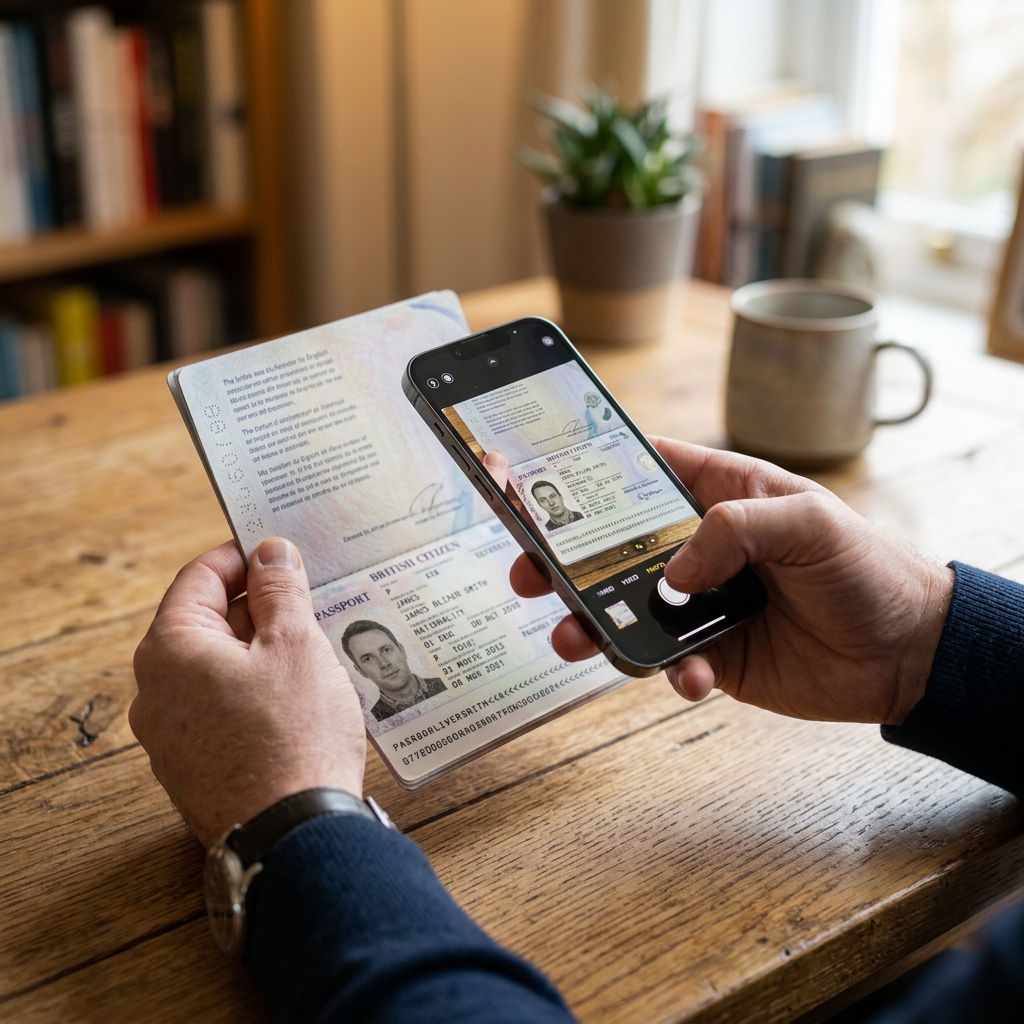
Verify that your passport validity extends at least six months beyond your proposed entry date into India. Travelers without sufficient validity or with fewer than two blank pages risk boarding denial by airlines before departure.
Preventing the Infamous "Delhi Belly" and Dietary Safety
No discussion of Health preparation India travel is complete without addressing the most common ailment faced by international visitors: gastrointestinal upset, colloquially known as "Delhi Belly." While the local cuisine is undeniably one of the greatest highlights of any journey here, introducing your stomach to new spices and different microbial environments requires a strategic and cautious approach. The absolute golden rule of hydration is to never drink tap water.
You must rely exclusively on commercially sealed, reputable brands of bottled water, and always check that the seal is intact before opening. This rule extends to brushing your teeth, keeping your mouth closed in the shower, and, crucially, avoiding ice cubes in your beverages, as the ice is frequently made from unfiltered tap water.
When it comes to dining, the safest approach is to eat foods that are freshly cooked and served piping hot. The high temperatures involved in cooking curries, frying snacks, and boiling teas effectively eliminate harmful bacteria.
Travelers from Australia often find that sticking to busy, popular street food stalls where the turnover is high and the food is cooked right in front of them is a safer and more authentic experience than eating at empty, obscure restaurants. Conversely, you should be highly cautious with raw foods.
Avoid pre-cut fruits, raw salads, and unpasteurized dairy products, as these may have been washed in or exposed to contaminated water. If you crave fresh fruit, stick to varieties with thick peels that you can remove yourself, such as bananas, oranges, and mangoes.
Additionally, carrying a small bottle of alcohol-based hand sanitizer and using it religiously before every meal is a non-negotiable habit. By treating your digestive system with respect during the first few days and gradually introducing it to the local flavors, you can fully savor the incredible culinary heritage without falling victim to preventable foodborne illnesses.
Packing a Comprehensive Travel Health Kit
Even with the most meticulous dietary precautions and vaccinations, having a well-stocked, personalized travel health kit is an indispensable safety net. Pharmacies are widely available in urban centers, but finding specific, trusted brands or communicating your exact symptoms in a remote rural village can be challenging and stressful.
Your kit should be anchored by a robust gastrointestinal defense system. Pack a generous supply of oral rehydration salts (ORS), which are critical for replacing lost electrolytes and preventing dehydration if you do experience stomach upset.
Include over-the-counter anti-diarrheal medications like loperamide for emergency use during long train rides or transit days, as well as a broad-spectrum antibiotic prescribed by your doctor for severe bacterial infections. Beyond stomach remedies, your kit must include high-quality insect protection.
Mosquito-borne illnesses are a reality in many regions, particularly during and after the monsoon season. Pack a strong insect repellent containing at least 20 to 30 percent DEET or Picaridin, and consider bringing permethrin-treated clothing or a spray to treat your garments before departure.
Travelers from Canada should also include a comprehensive first-aid assortment featuring adhesive bandages, antiseptic wipes, antibiotic ointment, and blister pads, as you will undoubtedly be doing miles of walking on uneven terrain. Do not forget a reliable supply of your personal prescription medications, kept in their original labeled bottles, along with a copy of your prescription to present at customs if necessary.
Include basic painkillers like ibuprofen or acetaminophen for headaches or muscle aches, antihistamines for unexpected allergic reactions, and a digital thermometer. Always store your medical kit in a waterproof, easily accessible bag and keep it in your carry-on luggage so it is never lost if your checked bags are delayed.
To ensure you have all your physical gear organized alongside your medical supplies, we highly recommend reviewing our detailed packing checklist for essential travel gear. By assembling this comprehensive kit, you guarantee that minor health hiccups are managed swiftly and privately, keeping your itinerary entirely on track.
Frequently Asked Questions
What vaccines do I need before traveling to India?
Is it safe to eat street food?
How do I prevent mosquito bites effectively?
Do I need travel medical insurance for my trip?
Are government fees and independent service fees the same thing?
Important Disclaimer: Get India E-Visa is an independent assistance service and is not affiliated with the Government of India. We do not issue visas or guarantee approvals. All visa decisions are made solely by Indian immigration authorities. Government fees are set by Indian authorities and are separate from our service fee.