India eVisa Official Fact Matrix
Essential regulatory parameters at a glance| Authorization Type | Electronic Travel Authorization (Indian eVisa - ETA) |
|---|---|
| Issuing Authority | Bureau of Immigration, Ministry of Home Affairs, Government of India |
| Available Durations | 30-Day Double Entry • 1-Year Multiple Entry • 5-Year Multiple Entry |
| Permitted Stay Limit | Up to 90 days per visit (180 days for US, UK, Canada & Japan citizens) |
| Passport Validity | Minimum 6 months remaining validity from entry date + 2 blank pages |
| Permitted Ports | 31 Designated International Airports and 5 Major Seaports |
| Processing Turnaround | Standard 3 to 5 business days online prior to arrival |
Introduction: Packing Smartly for a Multi-Climate Destination
Packing for a journey to the Indian subcontinent is an exciting milestone, but it also presents a unique logistical challenge due to the country's staggering geographical and climatic diversity. From the snow-capped, freezing peaks of the Himalayan north to the humid, tropical backwaters of the southern coast, the weather patterns you encounter will vary drastically depending on your specific itinerary and the season of your visit.
Because of this immense environmental contrast, creating the perfect packing list for India requires a strategic, highly adaptable approach rather than a one-size-fits-all strategy. The most seasoned international explorers universally recommend adopting a strict \"less is more\" philosophy when preparing your luggage.
It is incredibly tempting to overpack for every conceivable scenario, but dragging heavy, oversized suitcases through bustling train stations, narrow heritage city alleyways, and uneven temple steps will quickly become a massive burden. Furthermore, professional laundry services are widely available, exceptionally affordable, and highly efficient in almost every tourist hub across the nation, meaning you can easily wash your clothes every few days rather than bringing a fresh outfit for every single day of your trip.
Travelers from the United States often find that traveling with a single, well-organized carry-on or a mid-sized backpack provides vastly superior mobility and peace of mind compared to hauling multiple checked bags. Additionally, domestic airlines in the region enforce strict weight limits on checked and carry-on luggage, typically allowing only 15 kilograms of checked baggage on economy flights.
Overpacking can therefore lead to expensive excess baggage fees at local airports when transitioning between different states, which can quickly drain your travel budget. By focusing on versatile, multi-purpose items and prioritizing lightweight materials, you free yourself from the physical strain of heavy luggage, allowing you to navigate the vibrant, chaotic, and deeply rewarding landscapes with complete agility and confidence.
Ultimately, smart packing is about preparing for the realities of the environment while leaving enough physical and mental space to fully immerse yourself in the profound cultural experiences that await you.
Clothing Guide: Modest, Breathable, and Respectful Fabrics
When selecting your wardrobe, the primary focus must be on lightweight, breathable fabrics that can withstand high temperatures and high humidity while simultaneously respecting local cultural norms. Natural fibers like cotton, linen, and rayon are your absolute best friends, as they allow your skin to breathe and dry quickly after washing or sweating.
Synthetic materials, while durable, tend to trap heat and odors, making them highly uncomfortable during long days of outdoor sightseeing. Beyond mere comfort, understanding and adhering to local standards of modesty is a crucial component of your packing list for India.
The society is deeply traditional, and conservative dress is the norm across the vast majority of the country, particularly in rural areas, small towns, and religious sites. Both men and women should aim to keep their shoulders, cleavage, and knees covered at all times.
For women, loose-fitting maxi skirts, linen trousers, and long tunics are not only culturally appropriate but also incredibly comfortable and practical. Men should opt for lightweight chinos or long linen shorts that fall below the knee, avoiding sleeveless tank tops in public spaces.
Additionally, packing a large, versatile cotton scarf or shawl is an absolute game-changer; it can be used to cover your head when entering certain shrines, protect your neck from the intense sun, or provide an extra layer of warmth in heavily air-conditioned trains. Travelers from Ireland should also remember to pack a reliable pair of slip-on shoes, as you will be required to remove your footwear frequently before entering temples, mosques, and even some local shops and homes.
Slip-on sandals or lightweight loafers will save you the immense frustration of constantly untying and retying laces throughout your daily explorations.
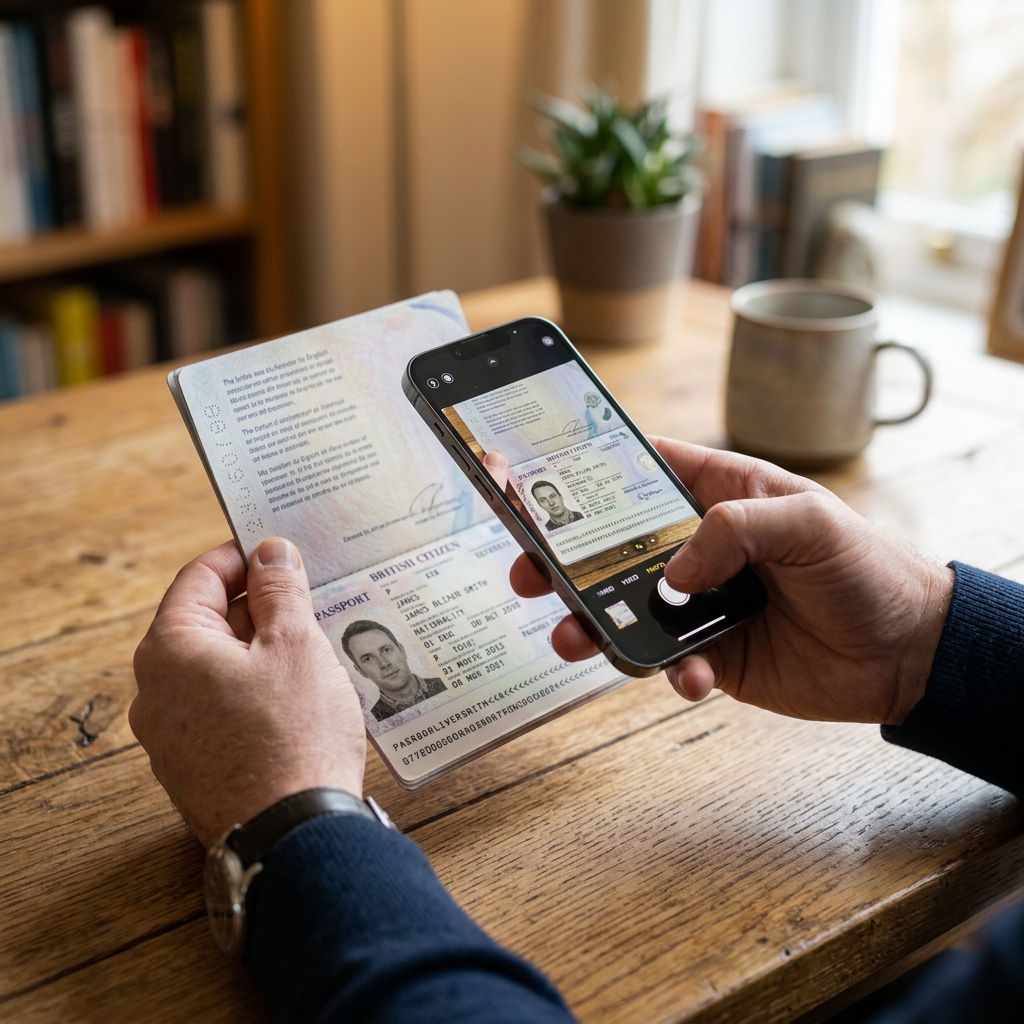
Verify that your passport validity extends at least six months beyond your proposed entry date into India. Travelers without sufficient validity or with fewer than two blank pages risk boarding denial by airlines before departure.
Electronics, Adapters, and Power Solutions
In the modern era of global travel, staying connected and keeping your digital devices charged is essential for navigation, communication, and capturing memories, making your electronics setup a critical part of your packing list for India. The electrical infrastructure in the country primarily utilizes Type D, Type C, and Type M plugs, operating on a 230V supply voltage.
To ensure you can charge your devices regardless of the specific socket you encounter in your hotel or on a train, packing a high-quality, universal travel adapter with multiple USB ports is absolutely mandatory. Furthermore, power outages or voltage fluctuations can occasionally occur, particularly in remote or rural areas.
Bringing a small, portable surge protector can save your expensive smartphones, cameras, and laptops from being damaged by unexpected electrical spikes. Because you will likely be spending long hours on trains, buses, or exploring remote heritage sites where charging outlets are scarce, a high-capacity power bank is an indispensable piece of gear.
Opt for a power bank that holds at least 10,000 to 20,000 mAh, ensuring you have enough backup juice to keep your GPS and ride-sharing apps running all day. Additionally, if you plan to shoot video or capture high-resolution images, bringing multiple spare memory cards is highly advisable, as purchasing genuine, high-speed storage in remote market towns can be challenging and risky due to counterfeit products.
A small headlamp or mini-flashlight is also highly beneficial for navigating poorly lit streets or reading in sleeper train cabins during night hours without disturbing other passengers. Travelers from Canada should also be mindful of the environmental elements that can damage sensitive electronics.
The combination of intense heat, high humidity during the monsoon season, and pervasive dust in arid regions like Rajasthan can easily ruin camera lenses and smartphone charging ports. Packing a dry bag or a sealable plastic pouch to protect your devices when you are not actively using them is a highly recommended precaution.
Additionally, bringing a microfiber cloth to constantly wipe dust off your screens and lenses will ensure your photography gear remains in pristine condition throughout your entire adventure.
Health, Hygiene, and First-Aid Essentials
Maintaining your physical well-being is the foundation of any successful international trip, and your health and hygiene kit should be meticulously curated to handle the local environment. The most critical item on your packing list for India is a robust water purification strategy.
You must never drink tap water, and while buying bottled water is common, it generates a massive amount of plastic waste. Instead, pack a reusable water bottle with a built-in UV purifier or a high-quality filtration straw, alongside a small supply of chemical water purification tablets as a backup.
This ensures you stay safely hydrated without contributing to environmental pollution. Hand hygiene is equally paramount; carry multiple small bottles of alcohol-based hand sanitizer and a generous pack of antibacterial wet wipes, as soap and running water are not always available in public restrooms or rural transit hubs.
When it comes to your medical kit, preparation for gastrointestinal issues is essential. Pack a comprehensive supply of oral rehydration salts, anti-diarrheal medication, antacids, and broad-spectrum antibiotics prescribed by your travel doctor before departure.
Travelers from Australia should also prioritize sun and insect protection. The tropical sun is incredibly intense, so a high-SPF, reef-safe sunscreen, a wide-brimmed hat, and UV-blocking sunglasses are non-negotiable.
Furthermore, mosquito-borne illnesses are a reality in many regions, particularly during and immediately after the monsoon season. A strong insect repellent containing a high concentration of DEET or Picaridin, along with lightweight, long-sleeved clothing for the evenings, will significantly reduce your risk of bites.
Finally, include basic first-aid supplies like adhesive bandages, antiseptic cream, and blister pads to handle minor scrapes and the inevitable foot soreness that comes from miles of daily walking.
Document Preparation and eVisa Compliance
No matter how perfectly you pack your clothing and electronics, your journey cannot begin without meticulous document preparation and strict adherence to immigration regulations. Your packing list for India must include multiple physical, printed copies of your approved electronic travel authorization.
While the digital system is highly efficient, airline check-in agents and border control officers legally require a physical printout featuring a scannable barcode; a digital copy on your smartphone will not be accepted. Alongside your printed authorization, you must carry at least two physical photocopies of your passport's biographical page, your travel insurance policy details, and a few spare passport-sized photographs, which are occasionally required for local permit applications in restricted border regions.
Store these physical documents in a waterproof, concealed travel wallet, and upload high-resolution digital scans to a secure, encrypted cloud storage service as a secondary backup. Get India E-Visa is an independent assistance service.
We are not affiliated with the Government of India, and we do not issue travel permits or guarantee approvals. All final decisions rest solely with the immigration authorities, and all applications are strictly subject to approval by Indian authorities.
When utilizing our platform, you will notice a strict, transparent separation between the mandatory government fees and our independent service fees. The government fees are established and collected directly by the authorities to cover administrative processing and security checks, while our service fee covers comprehensive, human-led support and secure data management.
To ensure your physical passport meets the strict scanning and validity criteria required for a successful application, we highly recommend reviewing our detailed guide on India eVisa passport requirements. Travelers from the United Kingdom appreciate our privacy-first approach, where we only request sensitive documents through encrypted channels after an initial assessment, ensuring your data remains entirely secure while you finalize your travel preparations.
Frequently Asked Questions
Do I need a power adapter for India?
What type of clothing is appropriate for visiting temples?
Is it safe to drink tap water if I use purification tablets?
How many printed copies of my travel authorization should I bring?
Can I buy toiletries and basic medicines locally?
Are government fees and independent service fees the same thing?
Important Disclaimer: Get India E-Visa is an independent assistance service and is not affiliated with the Government of India. We do not issue visas or guarantee approvals. All visa decisions are made solely by Indian immigration authorities. Government fees are set by Indian authorities and are separate from our service fee.